

Oil country tubular goods (OCTG) is a family of pipes consisting of drill pipe, casing and tubing.
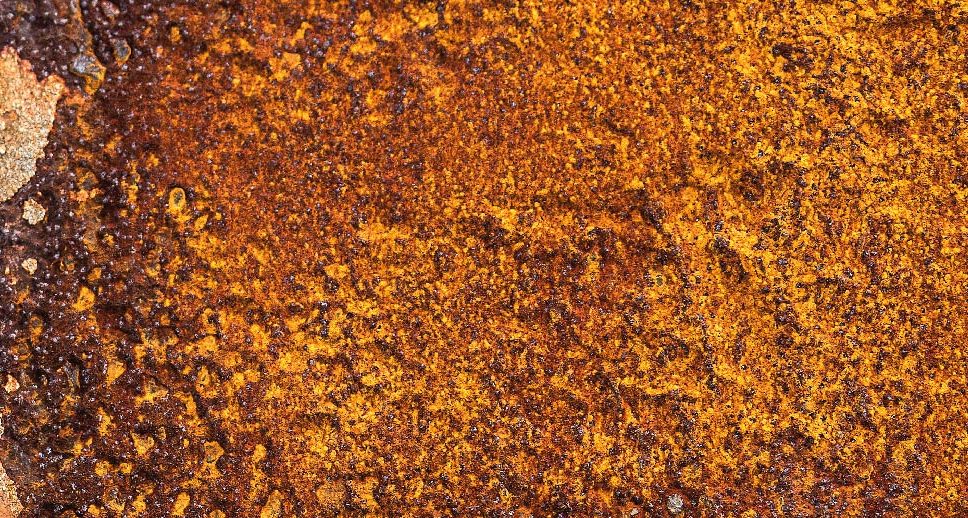
Corrosion repair is expensive, and accidents caused by OCTG failures aren’t just costly – they can potentially pose a risk to workers and the environment, as well as wasting valuable time and materials. This means OCTG corrosion is a serious concern, and prevention is critical given the potential protection and savings it may provide.
We’ve put together 5 different types of OCTG corrosion prevention methods.
Alloyed steel
While alloyed steel is not a corrosion prevention method by itself, it is a corrosion control strategy but not a solution. Chrome and stainless-steel alloys are costly due to their composition, and despite their corrosion-resistant properties, they remain susceptible to corrosion failure.
Unlike carbon steel, these alloys do not exhibit corrosion through obvious mass loss or visible deterioration. Instead, failure is far more subtle, occurring through isolated, single-point corrosion cells known as pinhole or grain-boundary corrosion. This type of degradation is typically detectable only through radiographic or dye-penetrant inspection and, if left undetected, can result in sudden and catastrophic failure under torque or pressure.
For this reason, the use of a barrier film as a corrosion-prevention measure represents a worthwhile investment for high-value OCTG.
Corrosion Inhibitors
Chemical inhibitors are injected into the well or production stream to slow corrosion reactions.
These types of corrosion inhibitors include filming amines, oxygen scavengers and biocides and are often used in continuous injection or batch treatment programmes.
Cathodic protection
Cathodic protection application is specific to the external surfaces of pipes in direct contact with an electrolyte (soil or water), which is used primarily on well casing and line pipe in submerged or buried situations.
As an electrochemical corrosion controller, it works by attaching the base metal of the OCTG to a ‘sacrificial’ metal that corrodes instead of the base metal. It’s highly effective at preventing steel from corroding, but the sacrificial metal degrades fairly quickly and often has to be checked and replaced, creating additional costs.
Cathodic protection is only effective for the external protection of the pipe and is not effective for internal corrosion.
Solvent-based coatings
Solvent-based anti-corrosion coatings are a cost-effective method to preserve bare metal against corrosion, even in extreme environments. In addition to employing a trusted, high-quality coating, surface preparation and application are key to achieving optimum performance. They are applied to OCTG to create a thin film that acts as a physical barrier against the environment and thus prevents corrosion.
These coatings can be applied to internal (ID) and external (OD) surfaces of OCTG components.
Water-based coatings
Water-based coatings are also a cost effective and easy method to protect OCTG. The VOCs they contain are reduced to a minimum. They are also less hazardous to both people and the environment. Procurement of the coatings is simplified, as being water based, they are not classed as hazardous, making transportation cheaper and easier.
These coatings can be applied to internal (ID) and external (OD) surfaces of OCTG components.
AGMA produces both water-based and solvent-based OCTG coatings, and we have the expertise to help you select the correct product and provide advice on surface preparation and application.
The importance of preventing corrosion in the oil and gas sector can’t be overstated, and the right solution is a huge part of doing so.
To find out more about how to prepare your OCTG so that coatings can be applied correctly, read our blog, Oil and gas: why preventing OCTG corrosion is key or download our product brochure
or Download our product brochure.